Dance Experiences
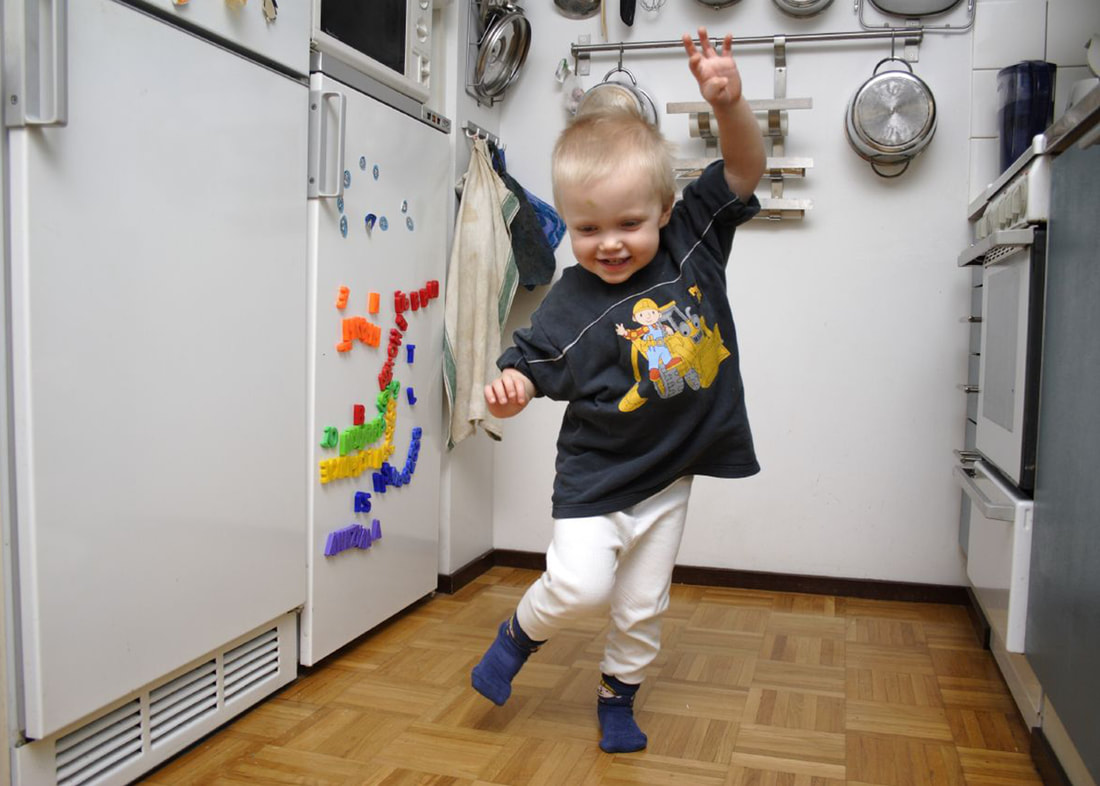
Freeze DanceThis fun and engaging activity can serve as the basis for exploring all elements of dance (time, space, energy, body). Movement is vital to human well-being. Children naturally enjoy moving to the music and freezing when the music stops. Use recordings or a simple beat on a percussion instrument.
|
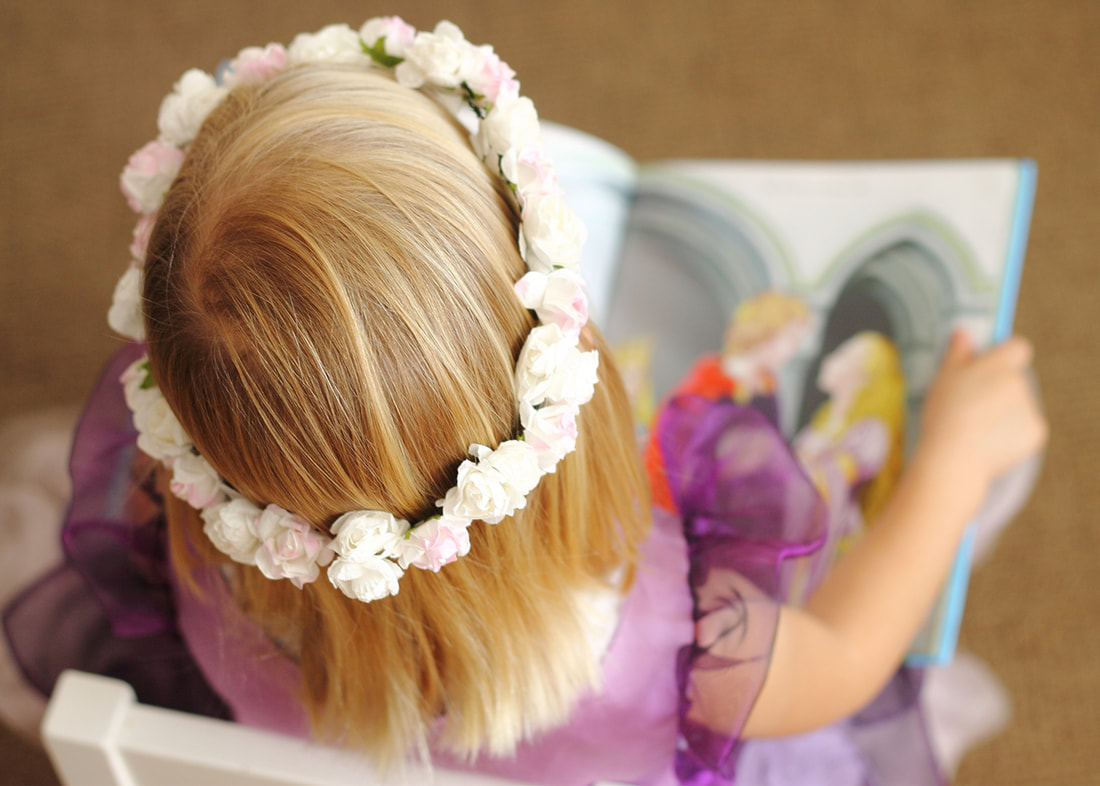
Dance a StoryHere's a systematic approach to developing a dance to tell a story. It is just one possibility among many to help children identify the main points in a story, develop frozen poses for each frame, and create transitions between the frames. Put it all together for a creative movement performance.
|
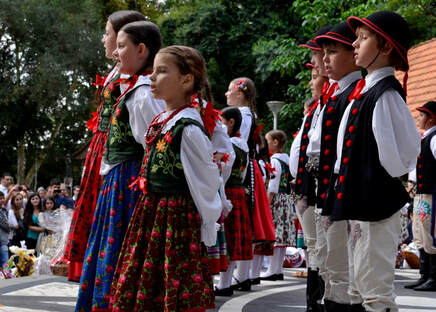
Folk DanceFolk dancing is an essential part of social studies and the general development of movement and social skills It also gives opportunities for the development of spatial reasoning.
|

Photo via Visualhunt
Mirror MovementDevelop movement, creativity, flexibility, and concentration skills through mirror movement. These activities are also an effective means for teaching and exploring symmetry.
|
Brain "Breaks"These engaging and motivating movement activities actually energize the brain rather than giving it a rest. Use them to provide a quick change of pace from extended periods of sitting. Children come back to other activities "ready to learn."
|
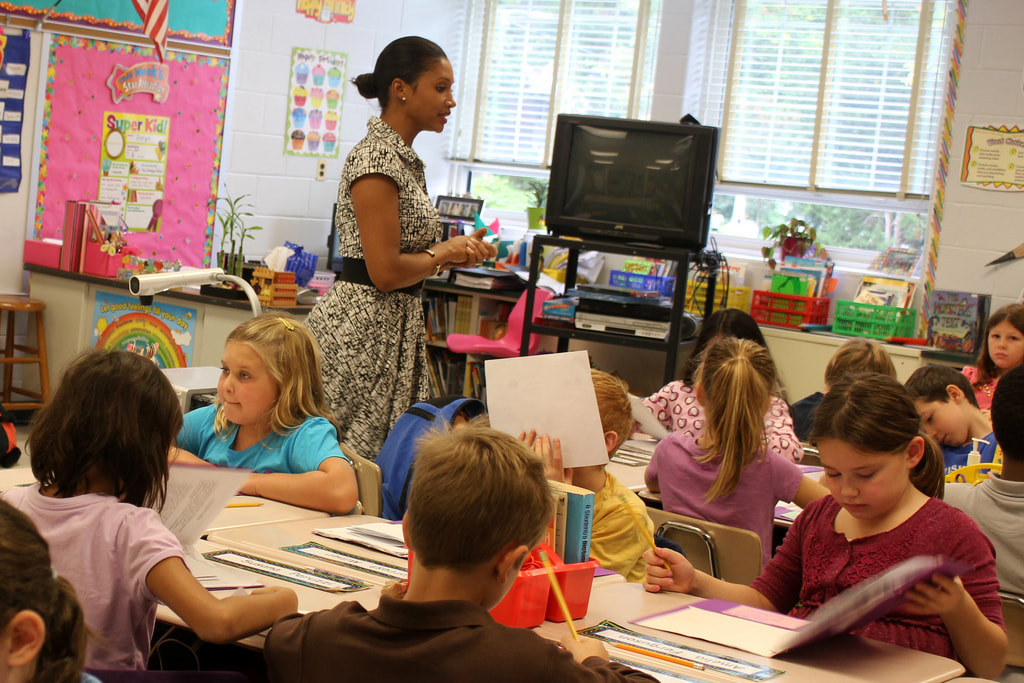
Focus ActivitiesMovement is the perfect way to focus a class at the beginning of a lesson and during or following complex activities. Keep the movements interesting and creative. This is also a great opportunity to let students practice leading.
|
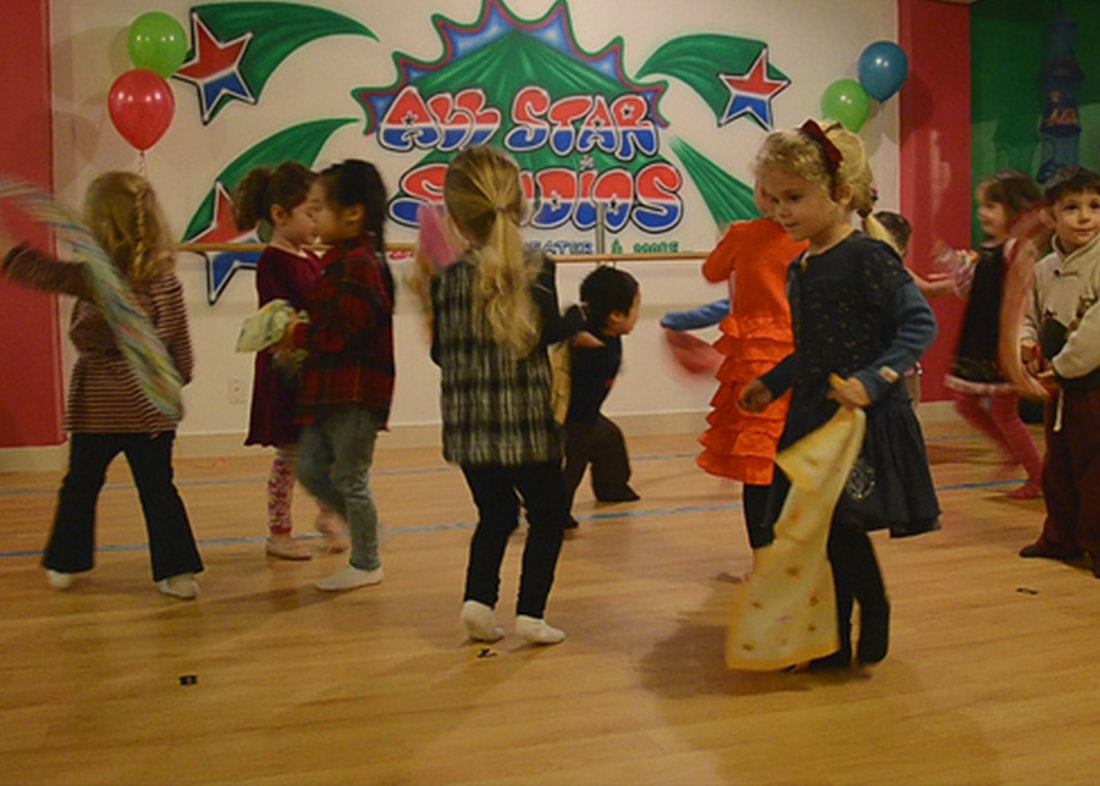
Moving with PropsUse props to add interest to movement activities and to make specific ties to other curriculum areas. The possibilities are endless: scarves, hulla hoops, pool noodles, balls, a parachute, pieces of paper, balloons...
|
Line DancesLine dances can be found in a variety of musical styles from hip-hop to country. And each line dance typically has multiple tutorials on Youtube. Children can also make up their own line dances.
|
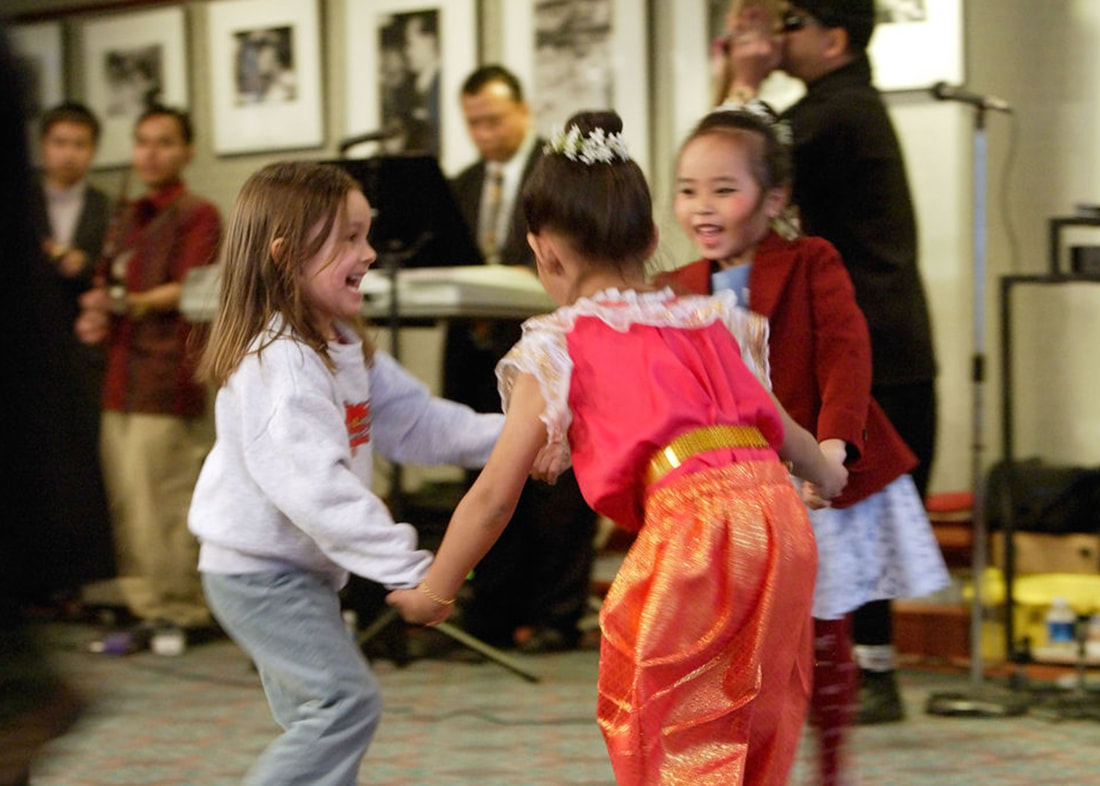
ChoreographyCreative dance sequences can be thought of as series of ideas, steps in a process, or events expressed creatively through movement. Integration possibilities are infinite. Choreography is process of creatively developing these sequences.
|
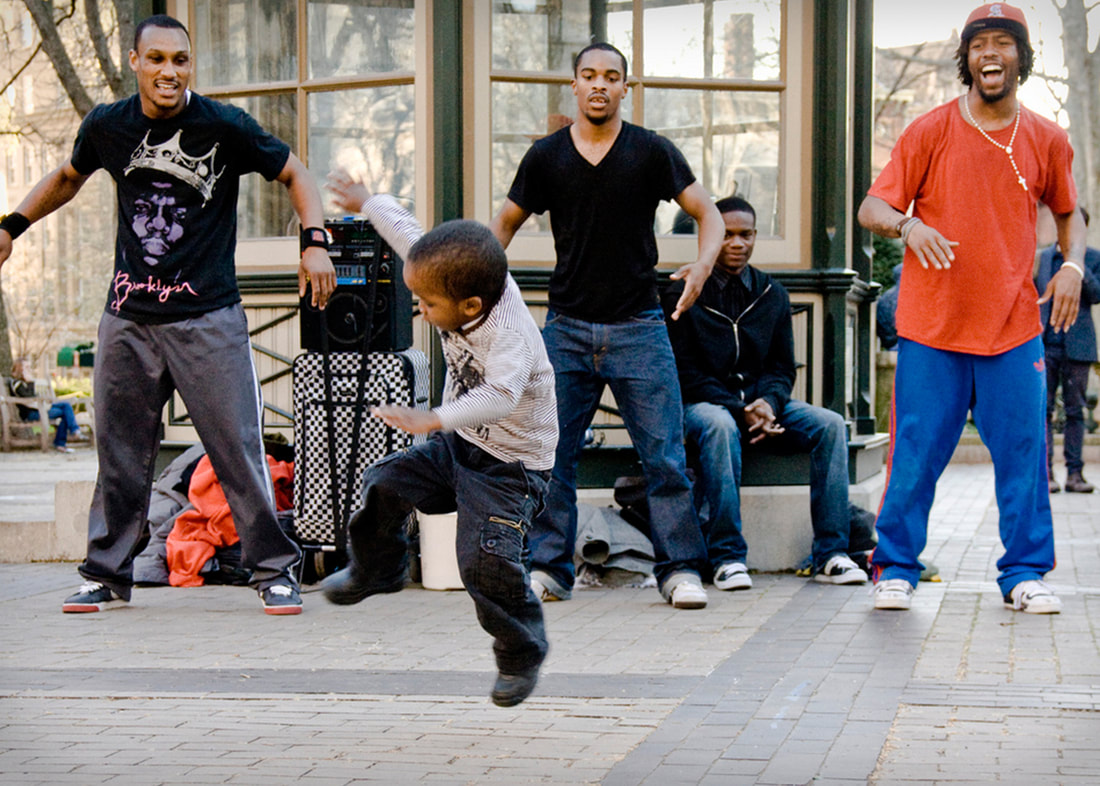
ImprovisationImprovisation in dance refers to developing movements and sequences "on the spot." However, using specific parameters (particular types of movement and variety of stimuli) can help avoid making people feel "on the spot."
|
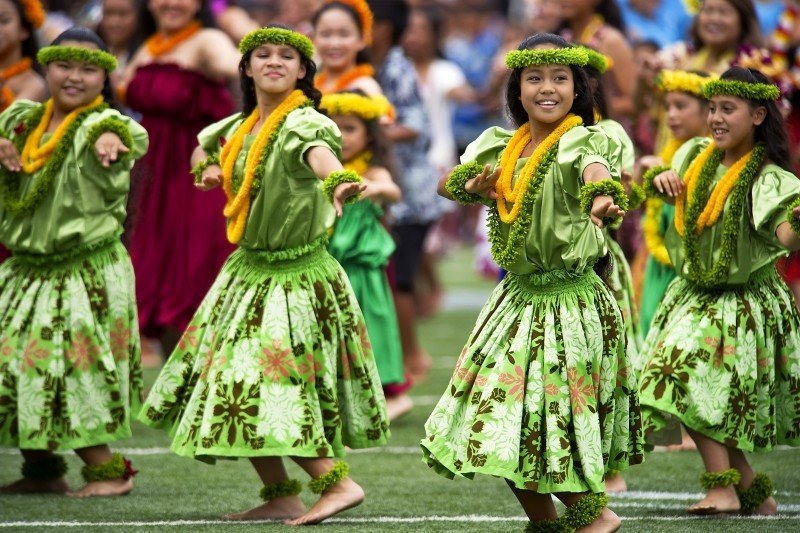
Photo on Visual hunt
Dance AppreciationDance appreciation involves watching and discussing dance performances. The elements of dance give us something to talk about.
|

Photo on VisualHunt.com
DancestormingDancestorming is a way to explore the infinite possibilities for movement. How many ways can you think of to twirl?
|